
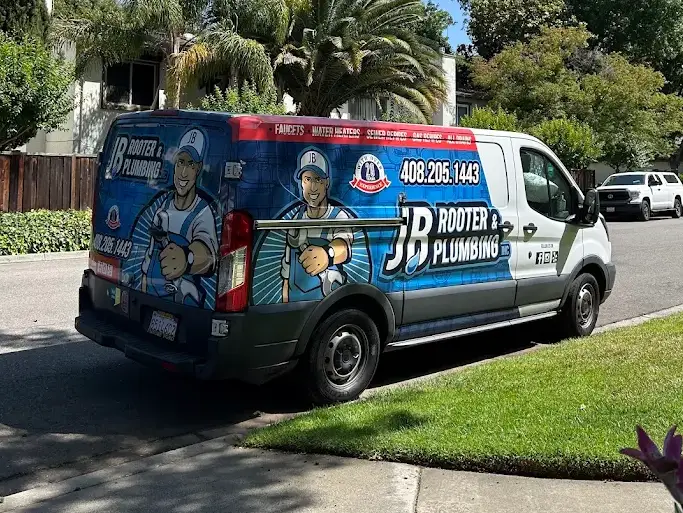
Understanding Emergency Plumber in San Jose
Homeowners in San Jose, a vibrant city nestled in the heart of Silicon Valley, understand the importance of maintaining their property to the highest standards. Among the various home maintenance issues, plumbing emergencies rank high due to their potential to cause significant disruption. An emergency plumber in San Jose is crucial for addressing urgent plumbing issues, ensuring your home's plumbing systems remain functional and safe.
In the bustling environment of San Jose, whether you reside in a historic neighborhood or a modern development, the need for reliable plumbing services is paramount. Plumbing emergencies can range from burst pipes and severe leaks to malfunctioning water heaters. Engaging a professional, like JB Rooter and Plumbing Inc (CA Lic #1087742), ensures these problems are handled efficiently.
Understanding the intricacies of local regulations and safety standards is essential. San Jose homeowners must be aware that plumbing repairs often require adherence to specific safety and inspection protocols, emphasizing the need for professional intervention during emergencies. We also provide Water Heater Repair specialists throughout the area.
Common Causes and Warning Signs Specific to San Jose Homes
San Jose's unique climate and diverse housing stock present specific challenges to plumbing systems. The variation between warm, dry summers and wet winters can place stress on water lines, potentially leading to issues such as leaks or breaks. Recognizing early warning signs can prevent small problems from escalating into major emergencies. We also provide Drain Cleaning in San Jose throughout the area.
Frequent causes of plumbing emergencies include aging infrastructure, which is common in San Jose's older homes. Corroded pipes can lead to leaks, while outdated sewer systems might result in blockages or overflows. Unusual noises from plumbing fixtures or unexplained spikes in water bills often indicate underlying issues.
JB Rooter and Plumbing Inc (CA Lic #1087742) is well-versed in addressing these challenges, offering a range of services tailored to the specific needs of San Jose residents. From water line repairs to comprehensive repiping solutions, they provide expert solutions to maintain the integrity of your home's plumbing.
Assessment and Diagnosis
Upon arrival, a professional plumber will assess the situation, identifying the root cause of the problem through a comprehensive inspection.
Immediate Mitigation
To prevent further damage, immediate actions are taken to stabilize the situation, such as shutting off water supply lines or containing leaks.
Repair and Replacement
Necessary repairs or replacements are conducted, utilizing high-quality parts and materials to ensure longevity and reliability.
Post-Repair Evaluation
A thorough evaluation is performed post-repair to ensure all issues are resolved and the system is functioning optimally.
Cost Factors for San Jose Residents
When considering the cost of emergency plumbing services in San Jose, several factors come into play. The extent of the damage, the complexity of the repair, and the time required to resolve the issue all contribute to the overall cost. Additionally, the specific type of service required, such as sewer repairs or gas line repairs, will influence pricing.
In San Jose, emergency plumbing costs are also impacted by the need for compliance with local regulations. Professional plumbers, like those at JB Rooter and Plumbing Inc (CA Lic #1087742), ensure that all work meets local safety standards, which can affect the scope and cost of repairs.
While costs can vary, the assurance of quality work and the prevention of future issues make professional plumbing services a worthwhile investment for homeowners in San Jose.
Prevention and Maintenance Tips
Regular maintenance can significantly reduce the likelihood of plumbing emergencies in San Jose homes. Homeowners should conduct periodic checks of their plumbing systems, looking for signs of wear and tear or potential leaks.
Scheduling routine inspections with a licensed professional, such as JB Rooter and Plumbing Inc (CA Lic #1087742), can help identify and address minor issues before they escalate. Services like water heater replacements ensure your home's systems remain efficient and reliable.
By staying proactive and informed, San Jose homeowners can maintain their plumbing systems in excellent condition, reducing the risk of unexpected emergencies and ensuring a comfortable living environment.