
What this page answers
- How to tell when a water heater is done vs. repairable
- Whether tank or tankless is right for your home
- What to expect from a code-compliant installation
- How Bay Area air-quality rules may affect your next replacement
- What we check before quoting a new unit
About water heater replacement
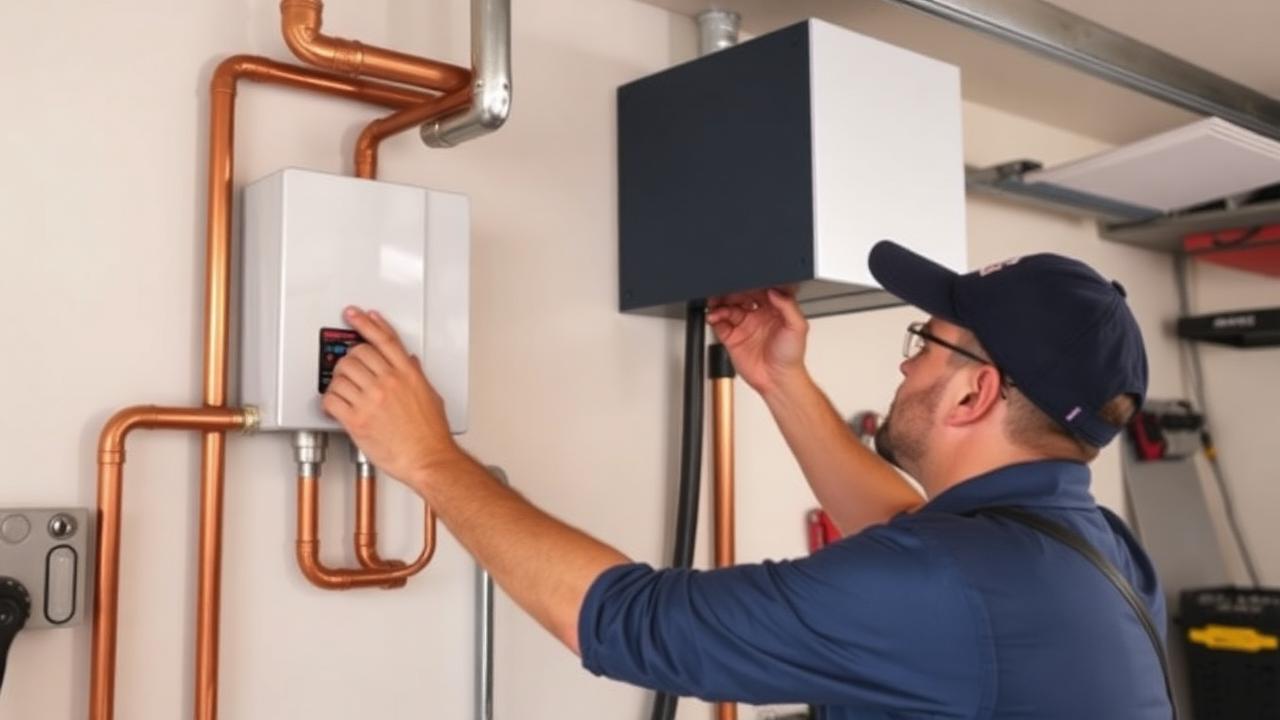
Water heater replacement covers removing a failing or end-of-life unit and installing a properly sized, code-compliant replacement — with the correct gas or electrical connection, expansion tank, seismic strapping, T&P valve, and venting. It's not just swapping the box; it's making sure the surrounding install is right.
Tank water heaters (gas or electric) are the standard. Tankless (on-demand) units heat water as it flows and eliminate standby loss. Heat-pump water heaters use ambient heat to warm the tank and are increasingly common in California retrofits.
Common signs you need water heater replacement
- No hot water at all, or hot water that runs out quickly
- Rusty or discolored hot water at first draw
- Popping, rumbling, or knocking sounds from the tank
- Water pooling at the base of the tank
- The tank is 10+ years old and starting to act up
- Rising energy bills without a change in usage
- T&P valve dripping regularly
- Water heater in a garage or closet with visible corrosion at the base
When should you call a plumber?
If your tank is leaking, replace it — don't wait. Continued use with a leaking tank risks a sudden failure and major water damage. If you're getting only lukewarm water, hearing loud noises, or the unit is past 10 years, get a diagnostic visit to plan the replacement on your schedule instead of during an outage.
For a planned replacement, we help you evaluate size, fuel type, and whether now is the moment to move toward a heat-pump or tankless unit given local incentives and air-quality direction.
What happens during a service visit?
We start by inspecting the existing unit's install — size, fuel, venting, gas line, electrical, expansion tank, seismic strap, drain pan, T&P discharge line, and clearances. That tells us what the replacement scope really is (not just the unit price).
You get clear options with realistic costs. On install day, we pull the old unit, install the new one to current code, handle the permit, verify operation, and walk you through the shutoffs and basic maintenance. Cleanup included.
What we check on-site
✓ CA Lic #1087742The diagnostic steps a licensed plumber takes before scoping any water heater replacement work.
- 1Existing unit age, condition, and failure mode
- 2Correct sizing based on household hot-water demand
- 3Fuel source options — gas, electric, heat-pump — for your location
- 4Venting configuration and clearance requirements
- 5Gas line size and pressure (for gas units)
- 6Electrical capacity (for electric or heat-pump units)
- 7Seismic strapping, expansion tank, T&P valve, and drain pan
- 8Permit and inspection requirements for your jurisdiction
- CA Lic #1087742
- Licensed & Insured
- 20+ Years Trade Experience
- Residential & Commercial
- 24/7 Emergency Service
Local context — San Jose & Santa Clara County
Bay Area regulators are moving toward electric and heat-pump water heaters over time. Specific requirements depend on your city and when your existing unit reaches end-of-life. For most San Jose homeowners replacing today, a modern high-efficiency tank or tankless unit is still a valid choice — but if you're planning ahead, the heat-pump conversation is worth having, especially where rebates and incentives apply.
Older San Jose garages often have water heaters installed without current seismic strapping or expansion tanks. We bring those installations up to current code as part of the replacement.
Plumbing Terms Explained
- Tank water heater
- A water heater that stores heated water in an insulated tank, typically 40–75 gallons for residential.
- Tankless water heater
- An on-demand unit that heats water as it flows through the heater, eliminating standby loss and providing continuous hot water.
- T&P valve
- Temperature & Pressure relief valve — a safety device that releases pressure if the tank overheats or overpressurizes. Required on every tank water heater.
- Shutoff valve
- The isolation valve on the cold-water supply into the tank. Every water heater install should have one, and every homeowner should know where it is.
Homeowner guidance
Questions to ask
- Is my unit sized correctly for how we actually use hot water?
- Are you handling the permit, and is this install brought up to current code?
- Is now the right time to consider heat-pump or tankless, given local rebates?
What affects the job
- Fuel type and whether new venting, gas line, or electrical work is needed
- Existing install compliance — strapping, expansion tank, T&P discharge
- Access to the install location
Don't attempt yourself
- DIY replacement of a gas water heater — gas connection and venting are not DIY
- Buying a unit yourself before diagnosis — sizing and install requirements drive the choice
- Skipping the permit — hurts insurance claims and future sale disclosures