How to recognize a sewer backup vs. a drain clog
A single slow drain is a fixture-level problem. A sewer backup shows different symptoms because the main line — the pipe carrying wastewater out of the whole house to the city sewer — is blocked. Water and waste can't leave, so they surface at the lowest available exit points.
Signs it's the sewer, not just a drain:
- Multiple fixtures are affected at once
- Water is coming up in a shower, tub, or floor drain
- Toilets gurgle when a sink or tub drains
- You've had repeat main-line clogs over recent months
- It's worst after heavy water use — dishwasher, washer, multiple showers
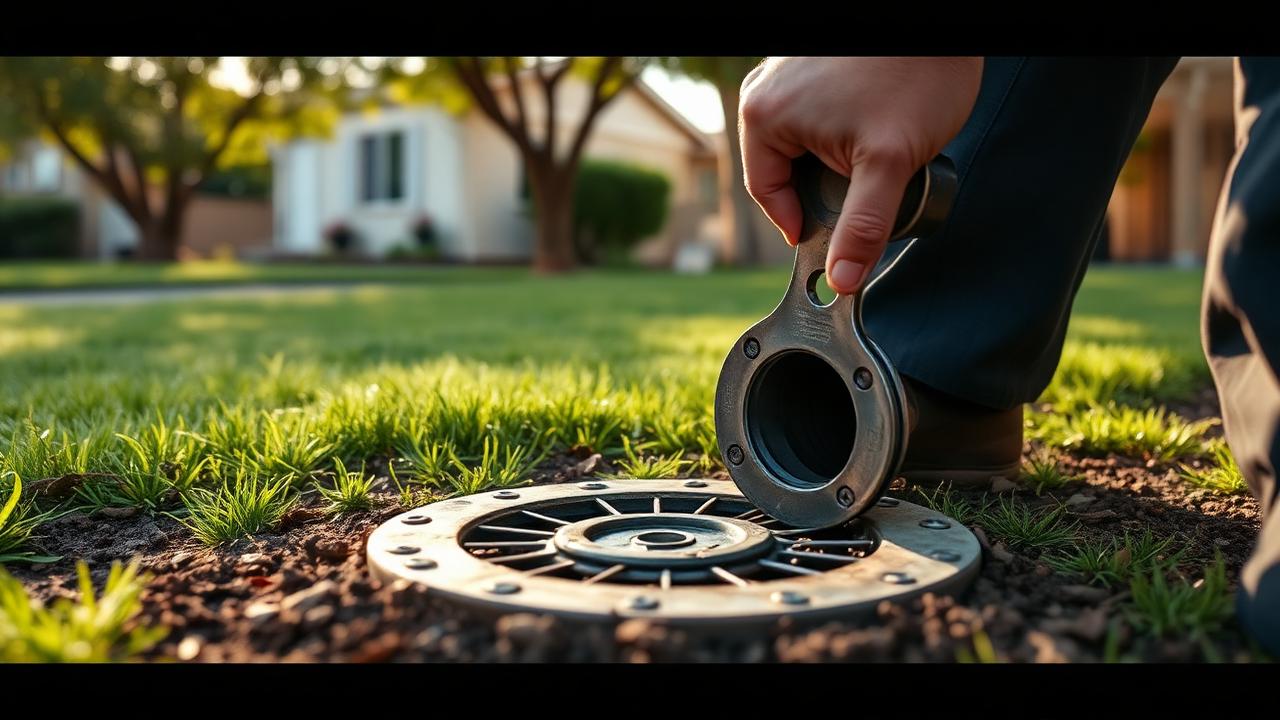
- You see wet spots or a sewer smell in the yard along the lateral path
What to do right now
- Stop all water use. Every drain in the house feeds the same main line. Keep it as empty as possible.
- Warn everyone in the house. No showers, no flushing anything you don't have to, no laundry, no dishwasher.
- Contain the mess safely. Sewage water is contaminated. Keep pets and kids away. Wear gloves and boots if you have to be near it.
- Take photos. Insurance and any future documentation will want them.
- Call a licensed plumber. A rooter machine and a sewer camera are the right tools for the job.
What a plumber actually does
The first pass is clearing the blockage to restore flow. That's usually a powered cable machine run from the correct cleanout. Once flow is restored, the second question — and the more important one — is why it backed up. A camera inspection is how we answer that.
Common findings:
- Root intrusion at a joint (very common in older San Jose neighborhoods)
- Sag or belly in the pipe collecting waste
- Offset joint in an old clay or Orangeburg lateral
- Wipes, grease, or foreign objects
- Damaged section of pipe letting groundwater in and reducing capacity
Why sewer backups repeat
Clearing the pipe treats the symptom. If the cause is roots, a sag, or a broken section, the backup will come back — sometimes in a week, sometimes in six months. Once you've had two main-line backups, plan for a real diagnostic and a repair scope. It's cheaper than repeat rooter visits and interior water damage.
Preventing the next one
- Don't flush wipes — even ones labeled "flushable" cause main-line issues
- Keep kitchen grease out of the drain
- If you have mature trees near the sewer line path, plan on periodic root maintenance
- Camera-inspect the lateral once if your home is older or you're new to it
When to call a licensed plumber
If the issue is beyond a quick homeowner check — or if it involves gas, sewage, active water damage, or hidden leaks — call a licensed plumber. In San Jose and the surrounding South Bay, that's us.
Related service: Sewer Line Repair in San Jose.
- CA Lic #1087742
- Licensed & Insured
- 20+ Years Trade Experience
- Residential & Commercial
- 24/7 Emergency Service