
What "repiping" actually means
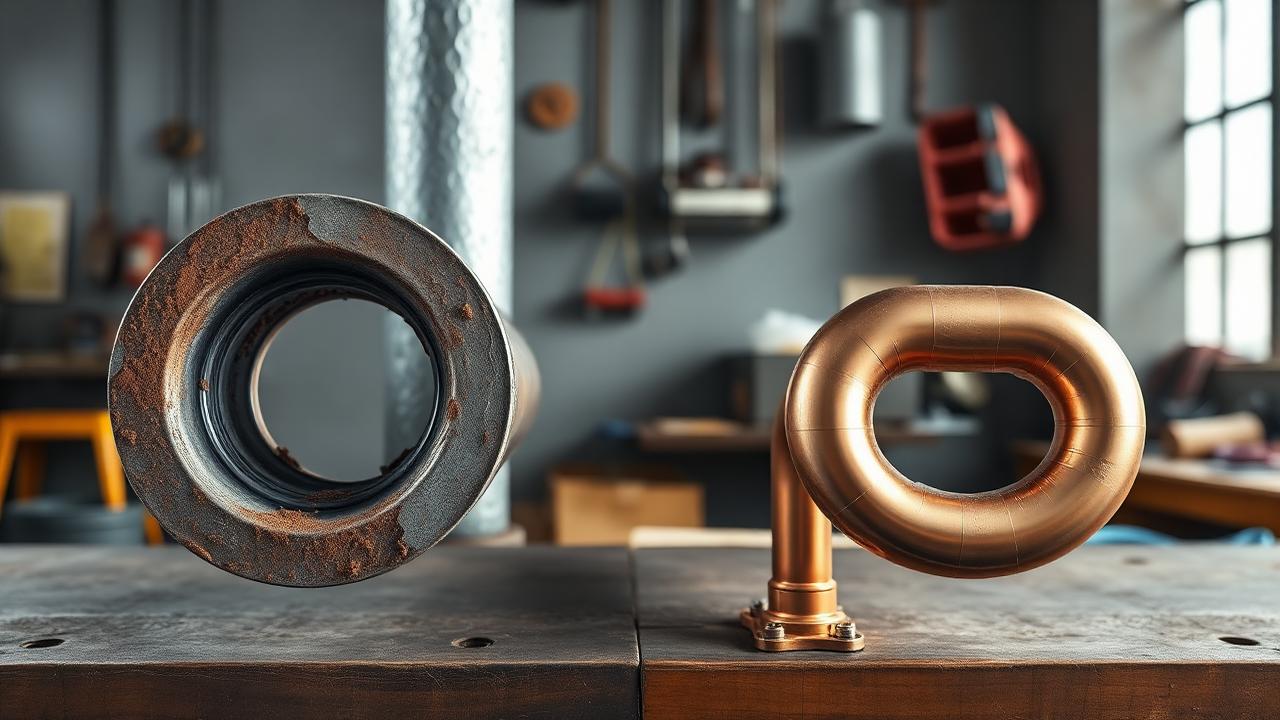
Repiping is the replacement of a home's water supply piping — the pressurized hot and cold lines feeding every fixture. It does not include the drain lines (that's separate work). Modern replacements use type-L copper or PEX (cross-linked polyethylene). Both are code-approved and durable.
The main signals
1. Rust-colored water
Especially on the hot side, especially at first draw in the morning. That's internal corrosion in the pipe itself, and it doesn't reverse.
2. Chronic low water pressure
Not "the pressure varies with time of day" (that's a supply issue) but "the pressure has been getting worse for years, and even the front hose bib is weaker than it used to be." That's a system-wide flow restriction, and it's usually the pipes.
3. Repeat pinhole leaks in copper
One pinhole in old copper is a repair. Three or four in a year, at different locations, is a signal the whole system is due. The next one always finds a new spot.
4. Old galvanized supply
Homes built in San Jose before about 1970 were commonly plumbed with galvanized steel supply lines. Galvanized corrodes internally over decades — the interior of the pipe fills with rust and scale, reducing effective diameter until pressure drops noticeably and leaks start. If you own a home from that era and it hasn't been repiped, plan for it.
5. Metallic taste at the tap
Along with occasional discoloration on porcelain fixtures — that's mineral flow from the pipe itself.
Whole-house vs. partial repipe
Sometimes only part of the system is failing — for example, the hot side is in worse shape than the cold, or one bathroom's original lines are past their life while the rest of the house is fine. Partial repipes are a real option. Whether it's the right call depends on:
- Overall condition of the rest of the system
- Access to the failing runs vs. the whole house
- How likely the not-yet-failed runs are to become the next problem
Sometimes doing it once — whole-house — is cheaper over 5 years than three partial jobs.
What the project actually looks like
For a typical single-family home, plan on 2–4 days for the plumbing itself, plus drywall patching. Water is off for defined windows, not the whole time. Wall openings are minimized but not zero. Permits and inspection are part of the job.
Planning it right
If any of the signals above sound like your house, book a diagnostic assessment. That gives you a real picture — pipe material, pressure test, age assessment — and lets you plan the work on your timeline instead of during a leak.
When to call a licensed plumber
If the issue is beyond a quick homeowner check — or if it involves gas, sewage, active water damage, or hidden leaks — call a licensed plumber. In San Jose and the surrounding South Bay, that's us.
Related service: Repiping in San Jose.
- CA Lic #1087742
- Licensed & Insured
- 20+ Years Trade Experience
- Residential & Commercial
- 24/7 Emergency Service