
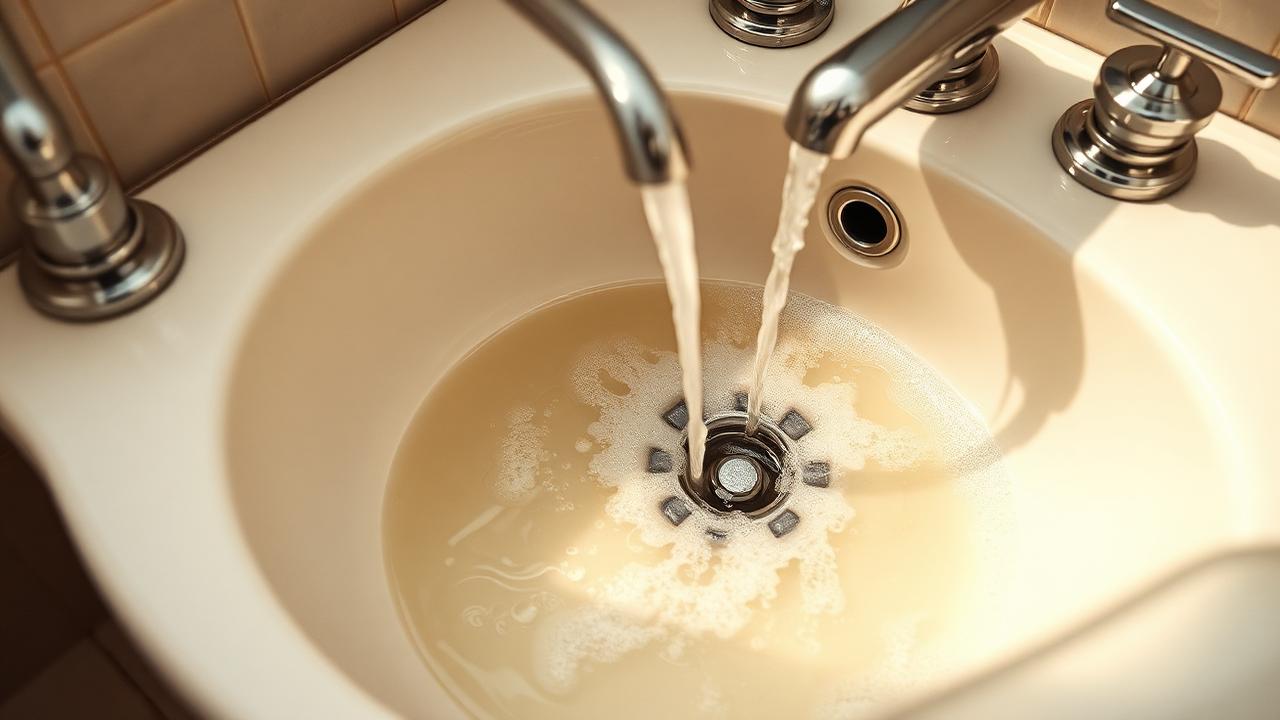
The five most common causes
1. Tree root intrusion
Very common in older San Jose neighborhoods with mature landscaping. Roots find any joint or crack in a clay tile or Orangeburg sewer lateral and grow into the pipe. Every rooter clearing removes what's there — but new growth returns within months.
2. Sag or belly in the line
Over decades, sections of drain line can settle out of grade and form low spots that trap waste. Water flows through; solids don't, and the low spot slowly fills until it clogs.
3. Grease and soap scale buildup
Kitchen grease and soap don't disappear when they go down the drain. They coat the inside of the pipe, narrow the effective diameter, and eventually cause repeat clogs — especially in older cast iron.
4. Wipes
"Flushable" wipes are not flushable in any meaningful sense. They pass the toilet trap, then catch anywhere the pipe geometry gives them something to grab. Main-line wipes clogs are one of the most common calls we run in the South Bay.
5. Damaged or offset pipe
A cracked section, an offset joint, or a section of pipe that's crushed or displaced creates a permanent obstruction. Every clearing gets partial results; the pipe itself is the problem.
What actually fixes it
Depends on the cause:
- Roots → recurring maintenance clearing at intervals, or lateral repair/replacement where the intrusion is severe
- Sag or belly → excavation and re-grading of the affected section
- Grease/scale → deeper cleaning methods (hydro-jetting where appropriate) and behavior change
- Wipes → clearing plus a hard rule about not flushing them
- Damaged pipe → spot repair or partial lateral replacement
When to camera-inspect
If you've cleared the same drain twice in a year, camera-inspect it. It's the cheapest way to know whether you're managing an ongoing condition or looking at a repair. Rooter work without a camera on a repeat clog is guessing.
Small things that help
- Never pour kitchen grease down the drain — even hot with soap. It cools inside the pipe.
- Use a hair catcher in showers
- Trash wipes, "flushable" or not
- Run hot water briefly after using the kitchen sink
- Don't chase every slow drain with chemical cleaner — it damages older pipes and complicates future work
When to call a licensed plumber
If the issue is beyond a quick homeowner check — or if it involves gas, sewage, active water damage, or hidden leaks — call a licensed plumber. In San Jose and the surrounding South Bay, that's us.
Related service: Drain Cleaning in San Jose.
- CA Lic #1087742
- Licensed & Insured
- 20+ Years Trade Experience
- Residential & Commercial
- 24/7 Emergency Service